
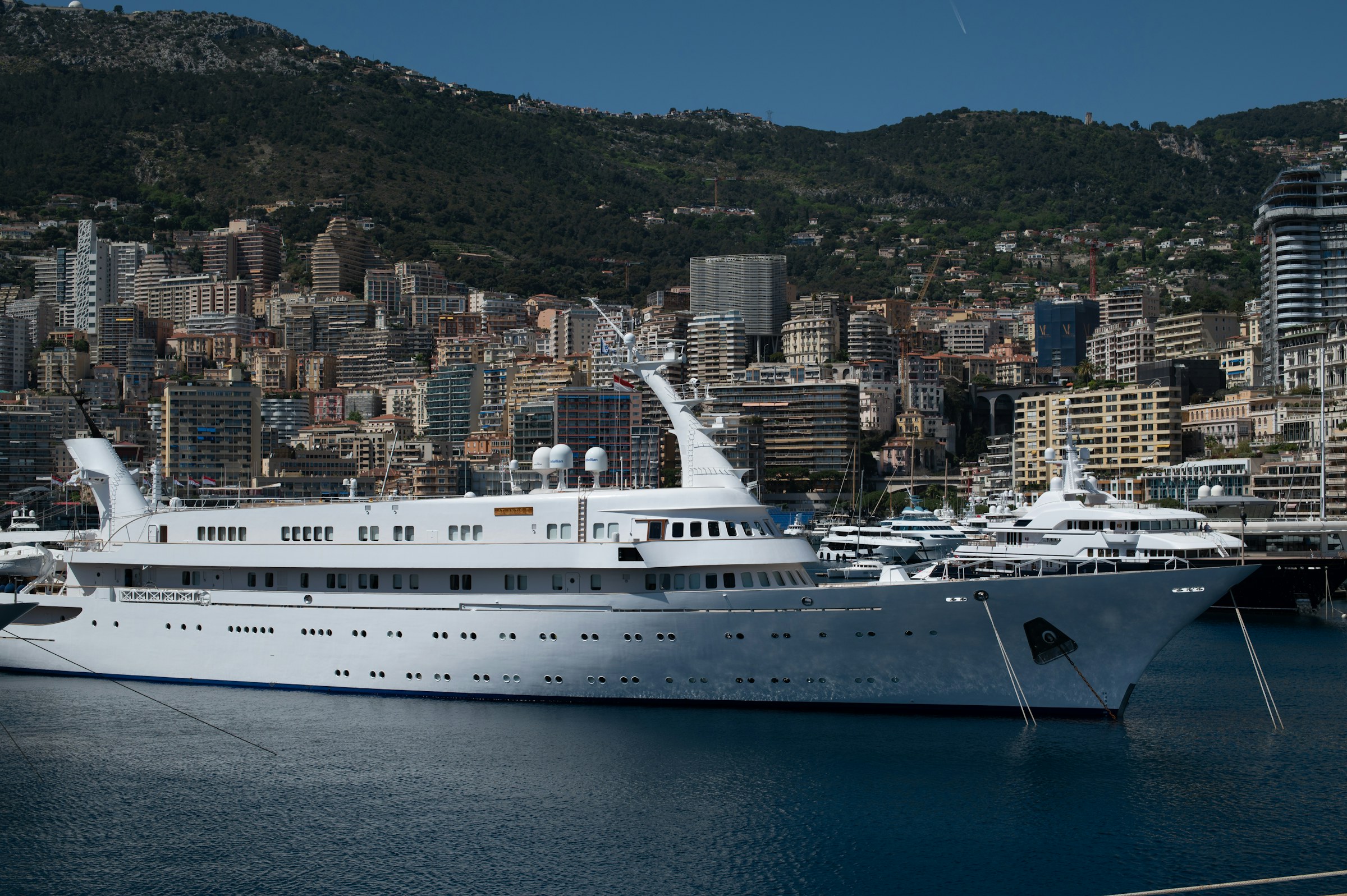
Size guide · Ø30 to Ø100 cm
Yacht fender size guide
A focused range of inflatable yacht fender sizes for yachts and superyachts. Every fender is made to order.
Fender Max cylinder fenders are available in practical dimensions designed for premium yacht use. The yacht fender sizes below support different onboard requirements while keeping the key advantages of the system clear: compact storage when deflated, fast inflation when needed and a more refined inflatable yacht fender solution for valuable hulls.
Cylinder Fender Size Guide
Standard Fender Max cylinder dimensions are shown below. These inflatable yacht fender sizes are intended for premium yacht and superyacht applications. Other sizes are available on request for specific vessel requirements.
Every Fender Max fender is made to order.
| Diameter Ø cm | Length ↔ cm |
|---|---|
| 30 | 60 |
| 40 | 40 |
| 40 | 80 |
| 40 | 120 |
| 50 | 50 |
| 50 | 100 |
| 50 | 150 |
| 60 | 60 |
| 60 | 120 |
| 80 | 80 |
| 80 | 160 |
| 100 | 100 |
| 100 | 200 |
Not sure which yacht fender size is right for your vessel? Read our yacht fender size guide or contact us for a recommendation. Other inflatable yacht fender sizes are available on request.
How to Choose Yacht Fender Size
Choosing the correct yacht fender size is essential. A fender that is too small may not provide enough separation or energy absorption, while an oversized fender can become unnecessarily awkward if the system is not designed for compact handling. For yachts and superyachts, the right answer is not just about dimensions — it is about vessel size, vessel weight, operating conditions and the level of protection expected around premium hull finishes.
What determines the right yacht fender size?
There is no single universal size for every boat. The correct choice depends on how the yacht is used, the environments it operates in and how much protective margin the owner or crew wants during berthing and alongside contact.
As yacht length increases, the loads generated during berthing and alongside movement also increase. Larger yachts generally require larger diameter and longer fenders to provide a more secure protective buffer.
Displacement matters just as much as length. Heavier yachts create greater force during contact, especially in wind, swell or marina manoeuvring, so fender size should reflect the real operating mass of the vessel.
Quiet marina berthing is very different from exposed pontoons, tidal movement or regular yacht-to-yacht contact. More demanding conditions justify a more substantial yacht fender size and a tougher protective setup.
Premium painted and finished hulls often require a more refined protection standard. In these cases, choosing an undersized fender is usually a false economy compared with using a properly sized inflatable yacht fender system.
General yacht fender size guidance
The guide below is a practical starting point for inflatable yacht fender sizing. Exact requirements can vary depending on yacht design, displacement and operating profile, but these ranges help frame the decision correctly.
Up to 10 m
Small yachts and day boats, where compact handling still matters but the hull needs a real buffer.
10–15 m
Weekend cruisers and smaller motor yachts. Heavier boats of this length often go one size up.
15–25 m
Medium yachts, where displacement, freeboard and berthing loads start to rise quickly.
25–35 m
Large yachts. A taller freeboard and more weight call for a bigger contact face along the side.
35–50 m
Superyachts. Fewer, larger fenders spread the load and keep the hull well clear of the quay.
50 m and above
Large superyachts, high quays and exposed berths, where the fender has to carry serious loads.
Go one size up for a heavy yacht, high quays or swell. To see it on your own yacht, place the fenders in the configurator: it draws your yacht to scale and shows where the hull is still exposed.
Why inflatable yacht fender size selection is different
Traditional fender decisions are often constrained by bulky onboard storage and awkward handling. An inflatable yacht fender changes that equation by allowing serious protection to be packed away more efficiently when not in use.
Use larger protection without storage penalty
Because Fender Max is inflatable, it can be deflated when not required. This allows owners and crew to choose more serious protection without accepting the permanent storage burden of bulky traditional systems.
Fast deployment when conditions change
Sizing is only useful if the fender can be handled efficiently. Fender Max supports quick inflation and practical deployment, making it easier to use the right yacht fender size when it is actually needed.
Better suited to premium onboard standards
For yachts and superyachts, fender choice is not only about size but also about finish, handling and presentation. Fender Max combines compact inflatable practicality with a more refined contact surface and cleaner operation.
Choosing the right Fender Max setup
Fender Max is designed for owners and crew who want a more advanced inflatable yacht fender system: compact when deflated, fast to deploy and better suited to premium yacht standards. If you already know your approximate yacht category, the next step is to compare available sizes and discuss the best fit for your vessel and berthing profile.
Use the right yacht fender size, not just the most convenient one
The best yacht fender size is the one that matches the real demands of the vessel, the berthing conditions and the protection standard expected onboard. Fender Max helps make that choice easier by combining compact inflatable storage with more serious premium-yacht protection. Get in touch if you want help choosing the right setup.